

Still Confused About Choosing Weight Loss Medication? International Top Journal 'The Lancet' Publishes Chinese Scholars' Research on Drug-Induced Weight Loss
On December 9, 2021, the renowned international clinical medical journal, The Lancet, published online the interim results of a clinical study on weight loss medication by Associate Professor Li Sheyu from the Department of Endocrinology and Metabolism at West China Hospital of Sichuan University, and the MAGIC China Center of the Chinese Center for Evidence-Based Medicine. The study systematically estimated the efficacy and safety of different weight loss drugs for the treatment of overweight and obese adults. Research Assistant Shi Qingyang from the Evidence-Based Evaluation and Rapid Guide Research Office of the Chinese Center for Evidence-Based Medicine at West China Hospital, and Master's candidate Wang Yang from the Class of 2021 in the Department of Endocrinology and Metabolism at West China Hospital, are the co-first authors of the paper. Associate Professor Li Sheyu is the corresponding author.
Obesity is an important risk factor for endocrine and metabolic diseases as well as cardiovascular diseases, consistently ranking high in terms of disease burden. Although lifestyle interventions have always been emphasized as the cornerstone of weight loss interventions, many adults struggling with overweight and obesity find it difficult to adhere to lifestyle interventions long-term or experience weight rebound after stopping such interventions.
Weight loss medication, as an essential supplement to lifestyle interventions, has enduring demand. However, the weight loss effects and risks of these medications have long been controversial. In recent years, new weight loss drugs have emerged, while others have been withdrawn from the market due to safety concerns by medical regulatory authorities.
The team led by Associate Professor Li Sheyu from West China Hospital conducted a systematic review and quality evaluation of existing major weight loss drug clinical trials. Using the latest evidence-based medical research methods and innovative result visualization models, they developed a new drug classification model tailored to the actual situation of the research. They found that phentermine/topiramate and GLP-1 receptor agonists are the most effective weight loss drugs. The addition of phentermine/topiramate to lifestyle interventions resulted in an average weight loss of 8% (compared to an average weight loss of 3.4% with lifestyle interventions alone over one year), with 48% and 43% of adults experiencing more than 5% and 10% weight loss, respectively (compared to about 27% of adults with more than 5% weight loss and 11% with more than 10% weight loss after one year of lifestyle interventions alone). Among GLP-1 receptor agonists, continuous use of semaglutide for one year in addition to lifestyle interventions resulted in an average additional weight loss of 12.5%, with more than half of the users experiencing weight loss of more than 5% or 10%. In terms of adverse reactions, for every 1,000 people using phentermine/topiramate for one year, 61 would discontinue due to adverse effects, while the number for semaglutide would be 44. Clinical doctors and patients can quickly select weight loss medication through the intuitive information provided in the charts. The research results will subsequently support the first West China Rapid Recommendation regarding clinical decision-making recommendations for weight loss medication and may change the selection model for weight loss medication, thereby providing a reference for the treatment choices of people worldwide who are troubled by weight issues.
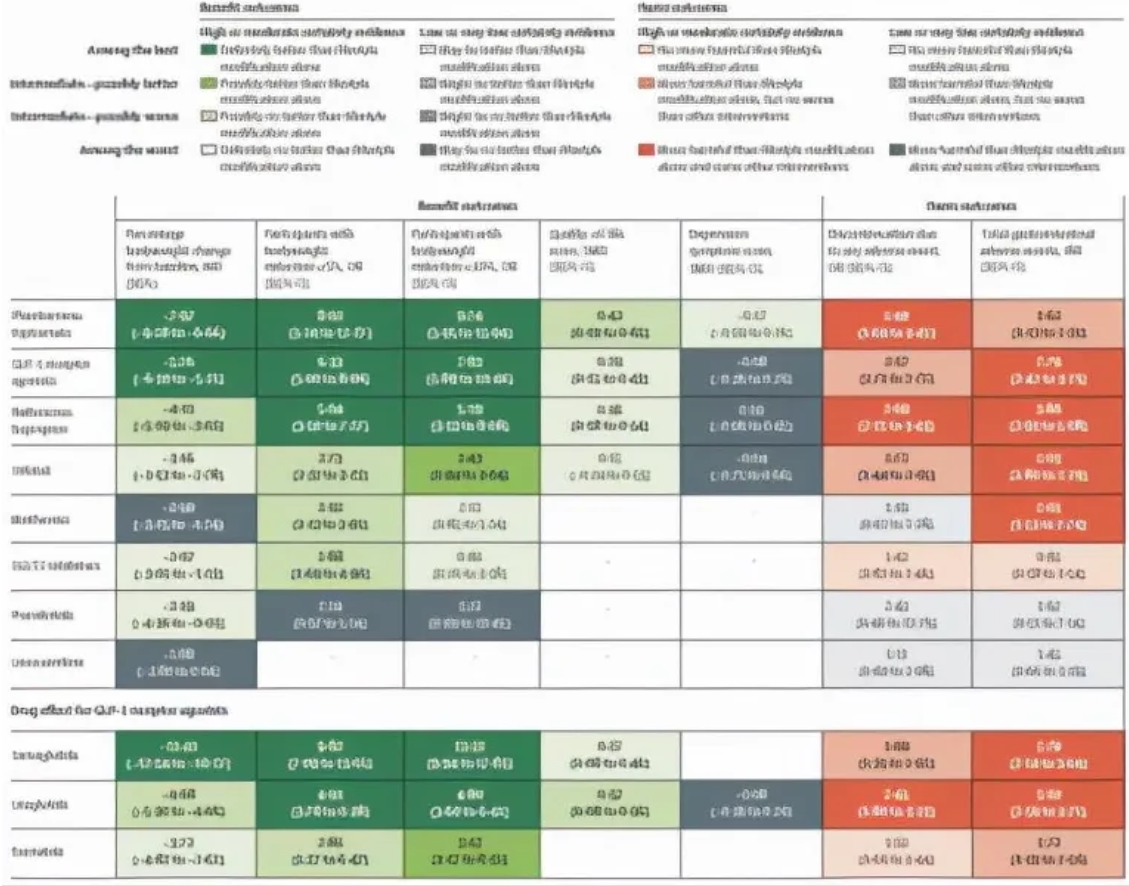
Figure 1: Summary of Weight Loss Drug Effects
In the figure, the green color series represents benefit endpoints, and the red color series represents adverse reaction endpoints. The deeper the green and red, the higher the quality of evidence, with gray representing low-quality evidence information and white indicating missing evidence.
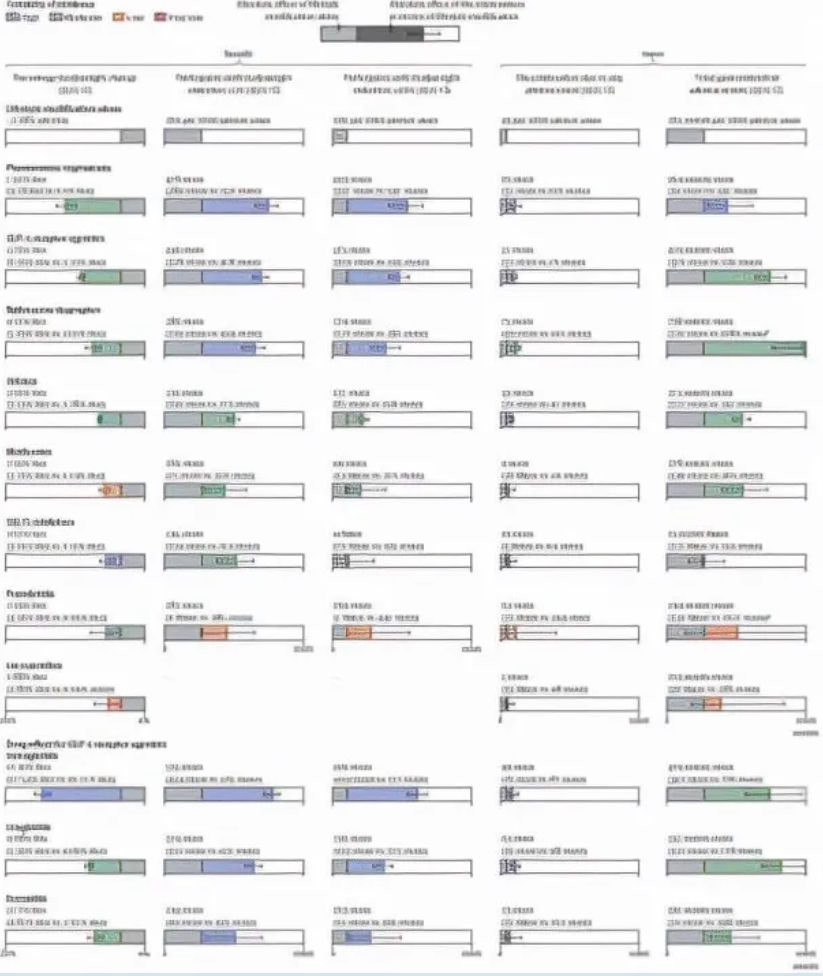
Figure 2: Absolute Effects of Weight Loss Drugs
In the figure, gray represents the average absolute effect brought about by lifestyle interventions alone, and the colored parts represent the additional intervention effects based on lifestyle interventions alone (blue represents high-quality evidence, green represents benefit endpoints, and red represents adverse reaction endpoints. The deeper the green and red, the higher the quality of evidence, with gray representing low-quality evidence information, and white indicating missing evidence.
At the invitation of The Lancet's editorial department, Professor CW le Roux from University College Dublin in Ireland spoke highly of the study. Before its official publication, the study has been cited by The Lancet and several other high-level journals, and its preprint has repeatedly ranked in the top ten in the fields of obesity and public health. This study is one of the branch tasks of the first "West China Rapid Recommendation" project of West China Hospital. Clinical doctors, methodologists, and graduate and undergraduate students from the MAGIC Evidence Ecology Foundation in Norway, McMaster University in Canada, Tianjin University of Traditional Chinese Medicine, Lanzhou University, Peking University, Xi'an Jiaotong University, West China School of Public Health, Geriatric Medical Center, Rehabilitation Medicine Department, Nursing Department, Pharmacy Department, and Urology Department of West China Hospital participated in the study. In addition, the study was also strongly supported by a guideline expert group composed of more than 20 clinical experts engaged in the diagnosis and treatment of obesity from all over the country, the 135 Plan Project of West China Hospital, leaders of West China Hospital, leaders of the Department of Endocrinology and Metabolism, and leaders of the Chinese Center for Evidence-Based Medicine. The study is another milestone achievement since the Cochrane Chinese Center MAGIC China Center Guide Evaluation and Rapid Recommendation Research Office of the Chinese Center for Evidence-Based Medicine at West China Hospital took the lead in formulating and publishing international diabetes clinical practice guidelines in May 2021.